Interestingly, Unicode has a character for a Greek letter that does not
exist as far as I know.
((,(<a.){~&>206,&.>177+i.15),,(<a.){~&>207,&.>128+i.10),:,(<a.){~&>206,&.>145+i.25
αβγδεζηθικλμνξοπρςστυφχψω
ΑΒΓΔΕΖΗΘΙΚΛΜΝΞΟΠΡΣΤΥΦΧΨΩ
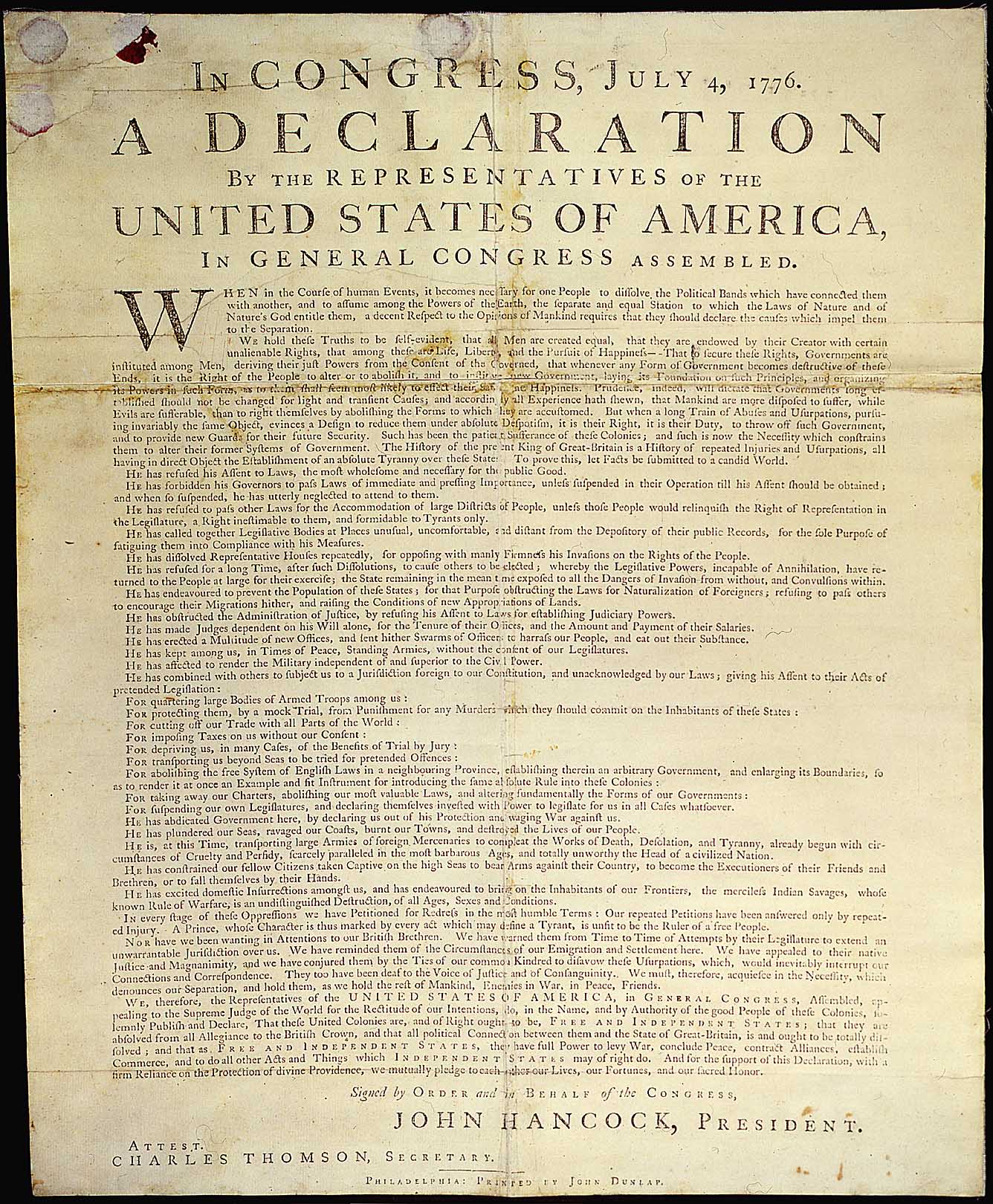
Notice the two forms of lowercase sigma: ς and σ. The former is used at
the end of a word only and I think it has something to do with why old
documents - like this one
https://www.awesomestories.com/images/user/2d7876098f.jpg - seem to use a
funny character for "s" that looks kind of like an "f". In any case, the
uppercase row has an unprintable character preceding the Σ (sigma) which is
apparently the uppercase of the end-of-word sigma.
On Sat, Dec 10, 2022 at 2:48 PM Devon McCormick <[email protected]> wrote:
> Raul's expression "<&(3&u:)" made me think of the endless complications
> for character comparison once you include multi-byte representations as in
> Unicode.
> So this initial expression works fine but extending it beyond elements of
> a. leads to ambiguity.
> 'A' <&(3&u:) 'a'
> 1
> a. i. 'Aa' NB. confirming the inequality
> 65 97
> NB. (load "define-abbrev-table.el") NB. This allows me to enter
> special characters in emacs
> 'α' <&(3&u:) 'a'
> 0 0
> 'α' <&(3&u:) 'β' NB. So should we say alpha is only partially
> less than beta?
> 0 1
> (<a.) i. &> 'α';'β'
> 206 177
> 206 178
>
>
>
> On Sat, Dec 10, 2022 at 7:28 AM 'Mike Day' via Chat <[email protected]>
> wrote:
>
>> Yes, my suggestion was an example of using /:~ to exploit J's inbuilt
>> ordering for a
>> simple, quick answer; but maybe
>> /:~ 'aA1.;'
>> (eg) isn't the order relation you require, so I agree with Raul.
>>
>> Mike
>>
>> Sent from my iPad
>>
>> > On 9 Dec 2022, at 19:22, Jimmy Gauvin <[email protected]> wrote:
>> >
>> > Hi,
>> >
>> > the domain of < and others could be extended to include characters.
>> >
>> > Sorting with /: and \: implies there is an "order" relation between
>> > characters.
>> >
>> >
>> > J
>> >
>> >> On Fri, Dec 9, 2022 at 6:21 AM Donna Ydreos <[email protected]>
>> wrote:
>> >>
>> >> The domain of < is numeric. You can create a function for letters with
>> >> reference to alphabetic order or some given order including say all
>> ASCI
>> >> characters.
>> >>
>> >>>> On Dec 9, 2022, at 3:47 AM, Jimmy Gauvin <[email protected]>
>> wrote:
>> >>>
>> >>> Hi all,
>> >>>
>> >>> testing character data for equality works fine but testing for
>> relative
>> >>> order does not.
>> >>>
>> >>> 'a'<'v'
>> >>>
>> >>> |domain error
>> >>>
>> >>> | 'a' <'v'
>> >>>
>> >>> 'a'='v'
>> >>>
>> >>> 0
>> >>>
>> >>> Is this explained somewhere ?
>> >>>
>> >>> Thanks,
>> >>>
>> >>> Jimmy
>> >>> ----------------------------------------------------------------------
>> >>> For information about J forums see
>> http://www.jsoftware.com/forums.htm
>> >>
>> >> ----------------------------------------------------------------------
>> >> For information about J forums see http://www.jsoftware.com/forums.htm
>> >>
>> > ----------------------------------------------------------------------
>> > For information about J forums see http://www.jsoftware.com/forums.htm
>> ----------------------------------------------------------------------
>> For information about J forums see http://www.jsoftware.com/forums.htm
>>
>
>
> --
>
> Devon McCormick, CFA
>
> Quantitative Consultant
>
>
--
Devon McCormick, CFA
Quantitative Consultant
----------------------------------------------------------------------
For information about J forums see http://www.jsoftware.com/forums.htm