I spent some of my weekend setting up OpenHab[1] on a rPi2 and a Z-Wave
multi-sensor device[2] that gets me temperature, light level, humidy and
movement. I have some more troubleshooting to do as the z-wave device
worked great on USB power right next Pi (with a z-wave controller stick)
but as soon as I put it on battery power on my front porch, its been flaky.
OpenHab was a pretty straightforward install. Its a java-based server app
(built on jetty I believe) that has a system of bindings for different
devices and a slightly quirky DSL for defining models and views/layouts
(items and sitemaps) I don't know what else comparable is out there in this
space, but it seems quite powerful and flexible. They have a database of
devices that meant that even though the device I was hooking up wasn't one
of the best-known brands, it was straightforward to set up - though maybe I
got lucky. I've read a couple of places that z-wave devices can be flaky,
but I've not done the troubleshooting yet to see if I'm getting data and
its not displaying properly or what.

I've got a wifi-controlled power outlet on the way which I'll hook up next.
I got a big pack of arduino/rPI-compatible sensors but 0 docs came with it
(not even labels on which is which) so I'm waiting on the vendor to deliver
the promised docs.

1. http://www.openhab.org/
2. http://www.iwasdot.com/configuring-a-aeon-labs-multi-sensor-with-openhab/

/Sam


On Sun, Jan 24, 2016 at 8:53 PM, Karl Dubost <[email protected]> wrote:

>
> Le 20 janv. 2016 à 05:56, Sam Foster <[email protected]> a écrit :
> > * per-room / non-central heating. I'm thinking a thermostat of sorts
> that plugs into a main outlet, that I can plug a small electric heater into?
>
> Before this one, there is one I would love to have. Basically, local
> thermometers in each room connected to my **local-only** network through
> the WIFI to my computer, a reading once every 5 minutes would be enough.
>
> The why. In Japan, houses have generally bad insulation, so people end up
> heating only the room(s) they are living in. It means it's freaking cold in
> winter and/or freaking hot in summer. Having a better understanding of the
> temperature variations could help define a strategy for insulation
> improvements and heating schedules.
>
> Example: This morning, my office room was 3°C (37.4 Farenheit). By 10am it
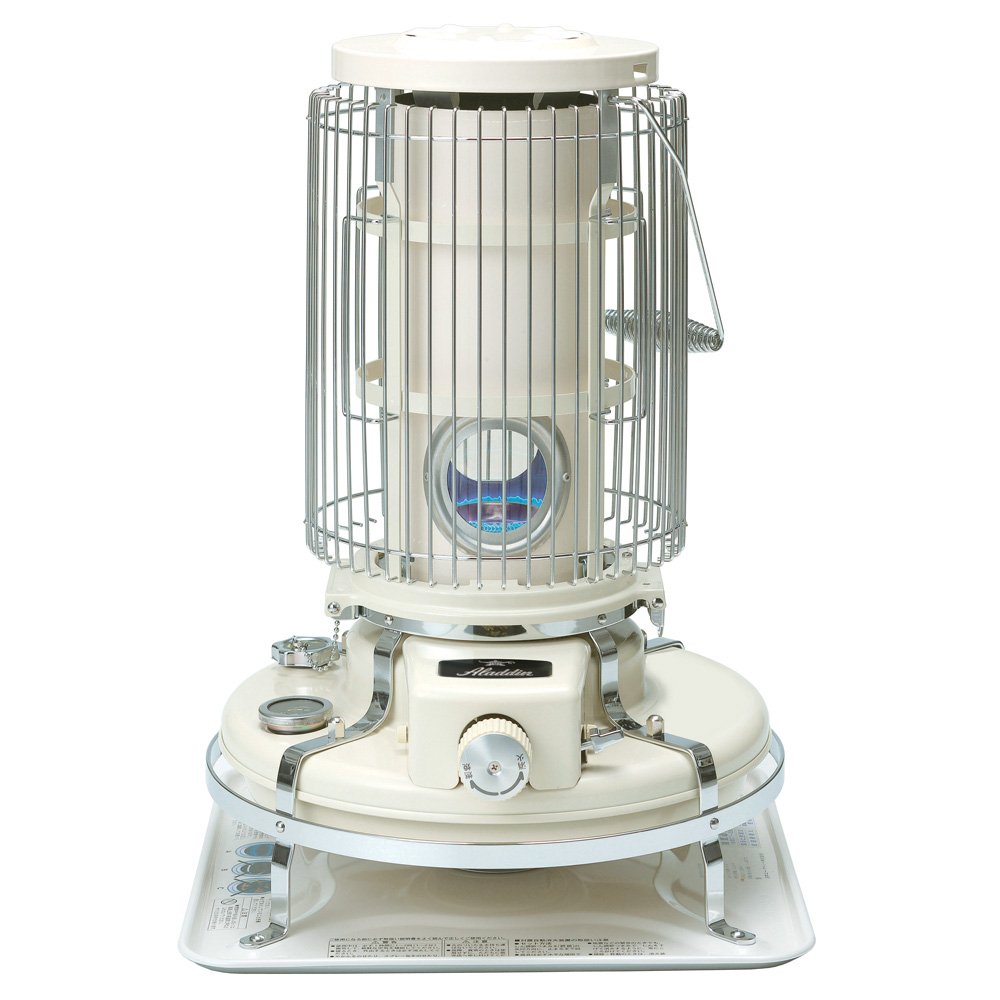
> had reached 12°C with an Aladdin [1] and now at 2pm, it's 20°C.
>
>
>
> [1]: http://ecx.images-amazon.com/images/I/61JHErlikwL._SL1000_.jpg
>
> --
> Karl Dubost, Mozilla
> http://www.la-grange.net/karl/moz
>
>
_______________________________________________
dev-fxos mailing list
[email protected]
https://lists.mozilla.org/listinfo/dev-fxos