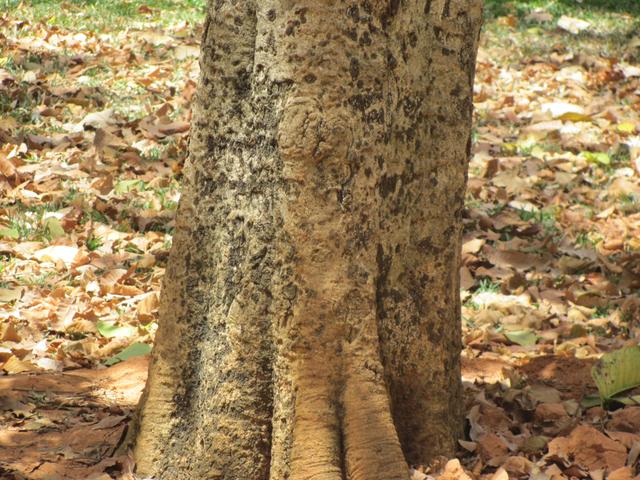
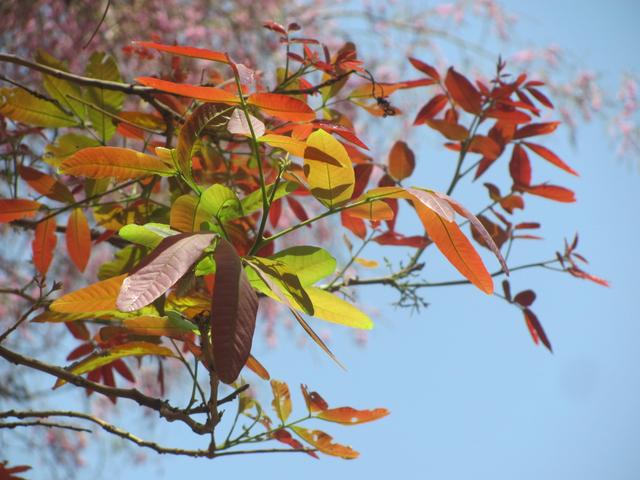
<https://lh6.googleusercontent.com/-trSkviEJVZ0/T2_vk__nFDI/AAAAAAAAAAY/m4B8ICiVwUw/s1600/Kusum+Tree+-+Leaf.jpg>
<https://lh3.googleusercontent.com/-dauIdqp2NNU/T2_vr9fQnNI/AAAAAAAAAAk/U796-x4ISik/s1600/Kusum+Tree+-+Flower.jpg>

<https://lh5.googleusercontent.com/-UN3ij9RIQq4/T2_vxso3gsI/AAAAAAAAAAw/-75mSbPH-fE/s1600/Kusum+Tree+-+Bark.jpg>

<https://lh3.googleusercontent.com/-RC9UfzszWPY/T2_v2tlVt8I/AAAAAAAAAA8/3Nw9-Gp-ZL8/s1600/Kusum+Tree+-+Fruit.jpg>

<https://lh6.googleusercontent.com/-NpdFQybUc1k/T2_vbcwFSLI/AAAAAAAAAAM/gZ8t9m4k6Ac/s1600/Kusum+Tree+-+Tender+Leaf.jpg>


Kusum is a beautiful tree with a broad, shady crown, found widespread in
Tropical Himalayas (Punjab to Nepal), India, Ceylon, Burma, Thailand,
Indo-China, Malaysia. This tree is mostly noticed because of its bright red
leaves when they are new. In India this happens around March. The leaves
are pinnate, with each leaf having 2-4 leaflets. Flowers are tiny, occuring
in short dense yellow clusters. The flowers are hardly noticeable. The
fruit is about the size of a small plum.

Raman