<https://lh5.googleusercontent.com/-JUMjy-hMksc/T2_yu7FKxbI/AAAAAAAAADA/fdrkJKOlNZI/s1600/Texas+Olive+Tree+-+Fruit.jpg>
<https://lh5.googleusercontent.com/-ecnpjUb1EMM/T2_yyTzsPjI/AAAAAAAAADM/GAkQsIXvHqA/s1600/Texas+Olive+Tree+-+Leaf.jpg>

<https://lh6.googleusercontent.com/-5m7xTcyqlP8/T2_y3ANKTDI/AAAAAAAAADY/XR2UruAGXvU/s1600/Texas+Olive+Tree+-+Canopy.jpg>

<https://lh5.googleusercontent.com/-LDsuJN6-QPA/T2_y7fOQdqI/AAAAAAAAADk/tY-BRimM7DM/s1600/Texas+Olive+Tree+-+Bark.jpg>

<https://lh4.googleusercontent.com/-R2rYAtwt6hQ/T2_zBKVcqqI/AAAAAAAAADw/0t5RFAwwKog/s1600/Texas+Olive+Tree+-+0004.jpg>

<https://lh4.googleusercontent.com/-1tFRcxOD4m4/T2_yqezDqiI/AAAAAAAAAC0/Bh2-yBr49no/s1600/Texas+Olive+Tree+-+Flower.jpg>
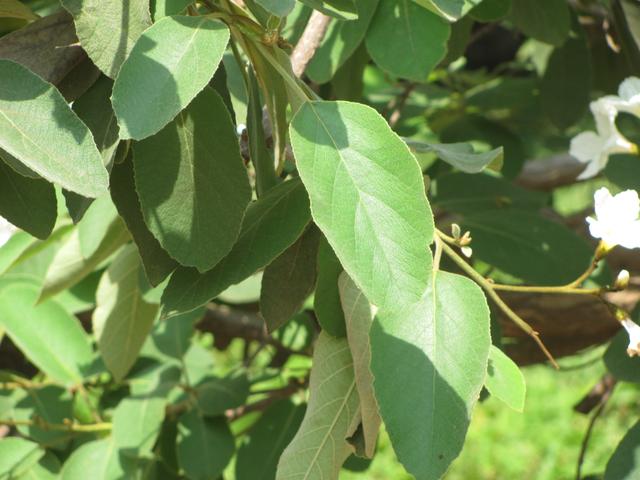
Texas Olive is an evergreen tree, growing to 20 ft tall, native to North
America. The tree spread to 10-15 ft. This small tree is very rare found
and believed to be close to extinction. The silvery green leaves have a
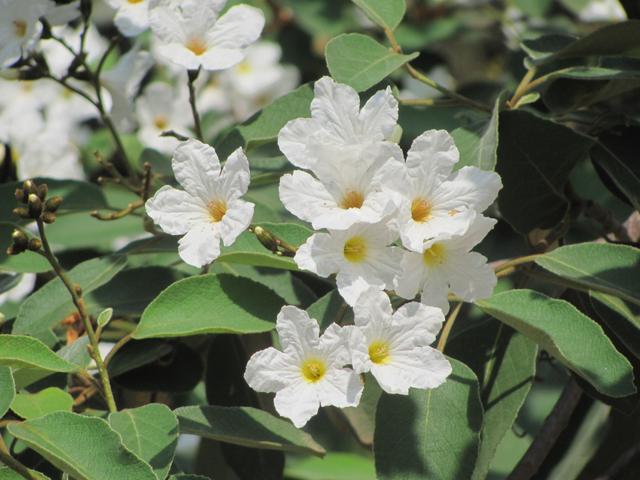
velvety texture and the showy, white flowers appear all year round, given
enough watering is availale. Otherwise, the flowers appear from late spring
to summer. Flowers are 3 inch wide, trumpet shaped, with yellow throats.
The olive-like, white fruits have a sweet flesh popular with birds and
other wildlife and, although edible to man, should not be eaten in
quantities

Raman