This is an automated email from the ASF dual-hosted git repository.

Yilialinn pushed a commit to branch master
in repository https://gitbox.apache.org/repos/asf/apisix-website.git
The following commit(s) were added to refs/heads/master by this push:
new 6f8469e2348 docs(seo): add contextual links to learning center guides
(#2122)
6f8469e2348 is described below
commit 6f8469e234867919a411886f8430493a41e726da
Author: Yilia Lin <[email protected]>
AuthorDate: Sun Sep 20 23:41:30 2026 +0800
docs(seo): add contextual links to learning center guides (#2122)
---
blog/en/blog/2022/07/06/use-keycloak-with-api-gateway-to-secure-apis.md | 2 ++
blog/en/blog/2023/03/23/mtls-everywhere.md | 2 +-
blog/en/blog/2023/08/14/rate-limit.md | 2 ++
blog/en/blog/2023/10/18/ingress-apisix.md | 2 ++
blog/en/blog/2024/02/13/apisix-owasp-coraza-core-ruleset.md | 2 ++
blog/en/blog/2025/02/21/why-reinvent-api-gateways.md | 2 ++
6 files changed, 11 insertions(+), 1 deletion(-)
diff --git
a/blog/en/blog/2022/07/06/use-keycloak-with-api-gateway-to-secure-apis.md
b/blog/en/blog/2022/07/06/use-keycloak-with-api-gateway-to-secure-apis.md
index 88360462edd..05955f7a81f 100644
--- a/blog/en/blog/2022/07/06/use-keycloak-with-api-gateway-to-secure-apis.md
+++ b/blog/en/blog/2022/07/06/use-keycloak-with-api-gateway-to-secure-apis.md
@@ -26,6 +26,8 @@ image:
https://static.apiseven.com/2022/blog/0818/plugins/keycloak.png
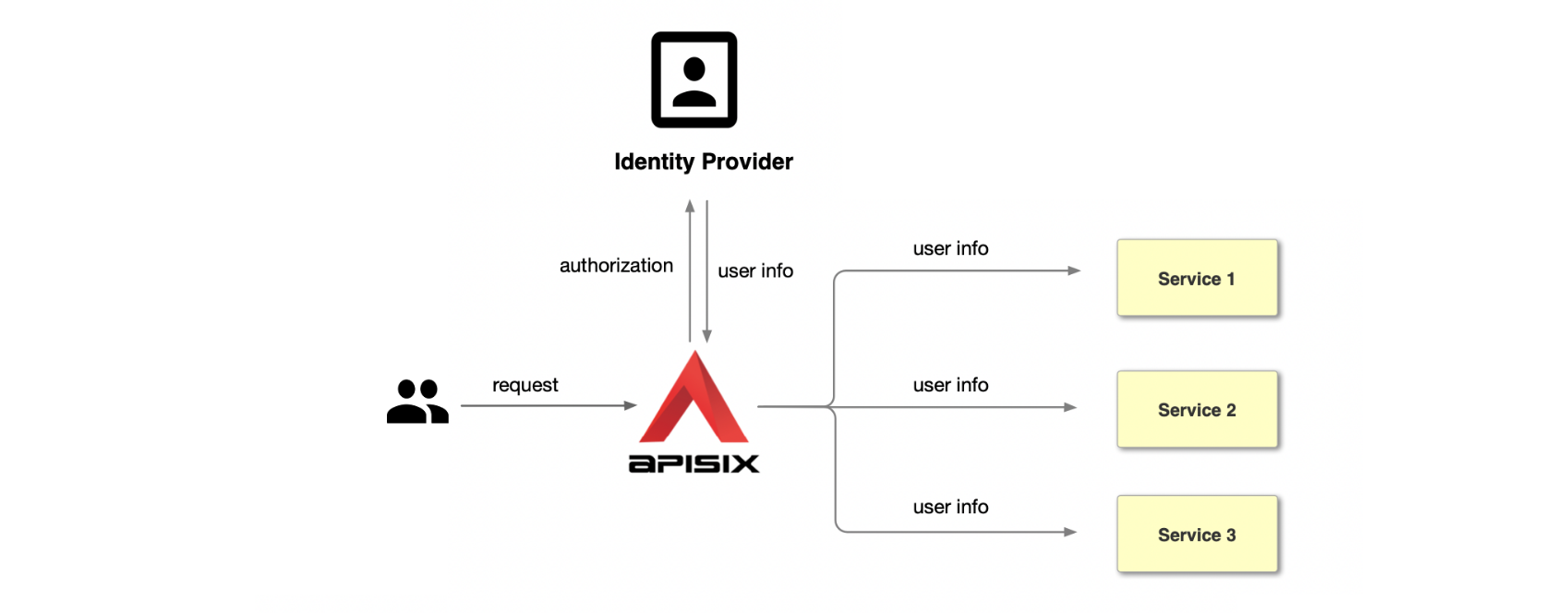
OpenID Connect referred to as OIDC, is an authentication protocol based on the
OAuth 2.0. It allows the client to obtain user information from the identity
provider (IdP), e.g., Keycloak, Ory, Okta, Auth0, etc. The open-source API
Gateway Apache APISIX supports using the [openid-connect
plugin](https://apisix.apache.org/docs/apisix/plugins/openid-connect) to
integrate with the above identity Providers. It will redirect all
unauthenticated clients to IdP's login page. After the successful [...]
+OIDC is one of several ways to verify callers at the gateway. The [API gateway
authentication guide](/learning-center/api-gateway-authentication/) compares
OIDC with API keys, JWT, OAuth 2.0-based flows, mTLS, and HMAC so teams can
choose a method before implementing a provider-specific flow.
+
Keycloak is an open-source identity and access management. It adds
authentication to applications and secures services with minimum effort. Also,
it provides user federation, strong authentication, user management,
fine-grained authorization, and more. In this post, we will take
[Keycloak](https://www.keycloak.org/docs/latest/securing_apps/) as an example,
and let's see how to integrate it with APISIX to protect your services.
diff --git a/blog/en/blog/2023/03/23/mtls-everywhere.md
b/blog/en/blog/2023/03/23/mtls-everywhere.md
index 1378f187518..7306d168605 100644
--- a/blog/en/blog/2023/03/23/mtls-everywhere.md
+++ b/blog/en/blog/2023/03/23/mtls-everywhere.md
@@ -32,7 +32,7 @@ TLS works through certificates. A certificate is similar to
an ID, proving the c
TLS authentication is based on public key cryptography. Alice generates a
public key/private key pair and publishes the public key. If one encrypts data
with the public key, only the private key that generated the public key can
decrypt them. The other usage is for one to encrypt data with the private key
and everybody with the public key to decrypt it, thus proving their identity.
-Finally, mutual TLS, _aka_ mTLS, is the configuration of two-way TLS: server
authentication to the client, as usual, but also the other way around, client
authentication to the server.
+Finally, [mutual TLS (mTLS)](/learning-center/what-is-mutual-tls/) is the
configuration of two-way TLS: server authentication to the client, as usual,
but also the other way around, client authentication to the server.
We now have enough understanding of the concepts to get our hands dirty.
diff --git a/blog/en/blog/2023/08/14/rate-limit.md
b/blog/en/blog/2023/08/14/rate-limit.md
index ce2fdfc4f67..fd2c6f8ff93 100644
--- a/blog/en/blog/2023/08/14/rate-limit.md
+++ b/blog/en/blog/2023/08/14/rate-limit.md
@@ -26,6 +26,8 @@ Rate limiting can also be part of your business requirement
where you want separ
If you are using [Apache APISIX](https://apisix.apache.org) as your API
gateway, you can leverage the rate limiting plugins,
[limit-req](https://apisix.apache.org/docs/apisix/plugins/limit-req/),
[limit-conn](https://apisix.apache.org/docs/apisix/plugins/limit-conn/), and
[limit-count](https://apisix.apache.org/docs/apisix/plugins/limit-count/) to
achieve this.
+Before choosing a plugin, review the [API gateway rate limiting
guide](/learning-center/api-gateway-rate-limiting/) for the tradeoffs among
request rate, request count, concurrency, quota, and distributed-counter
strategies.
+
You can always set this up in your services directly without configuring it in
APISIX. But as the number of your services increases, with each service having
different constraints, setting up and managing different rate limits and
updating them in each of these services becomes a pain point for development
teams.
In this article, we will look at examples of how we can use the rate limiting
plugins in APISIX. You can find the complete configuration files and
instructions to deploy for this article in [this
repository](https://github.com/navendu-pottekkat/rate-limit).
diff --git a/blog/en/blog/2023/10/18/ingress-apisix.md
b/blog/en/blog/2023/10/18/ingress-apisix.md
index 00bb0aabad4..90e61758140 100644
--- a/blog/en/blog/2023/10/18/ingress-apisix.md
+++ b/blog/en/blog/2023/10/18/ingress-apisix.md
@@ -26,6 +26,8 @@ image:
https://static.apiseven.com/2022/10/19/634f6677742a1.png
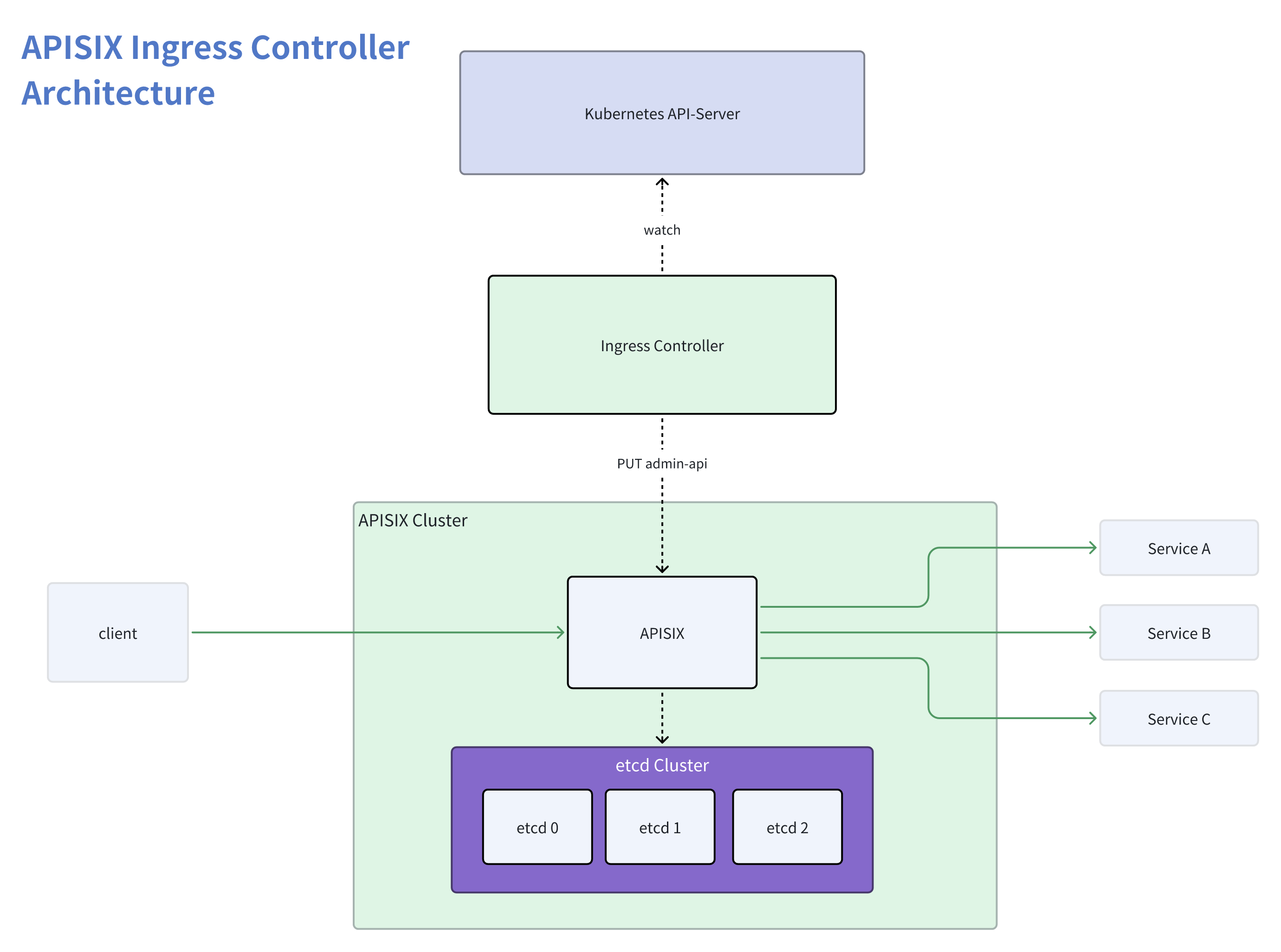
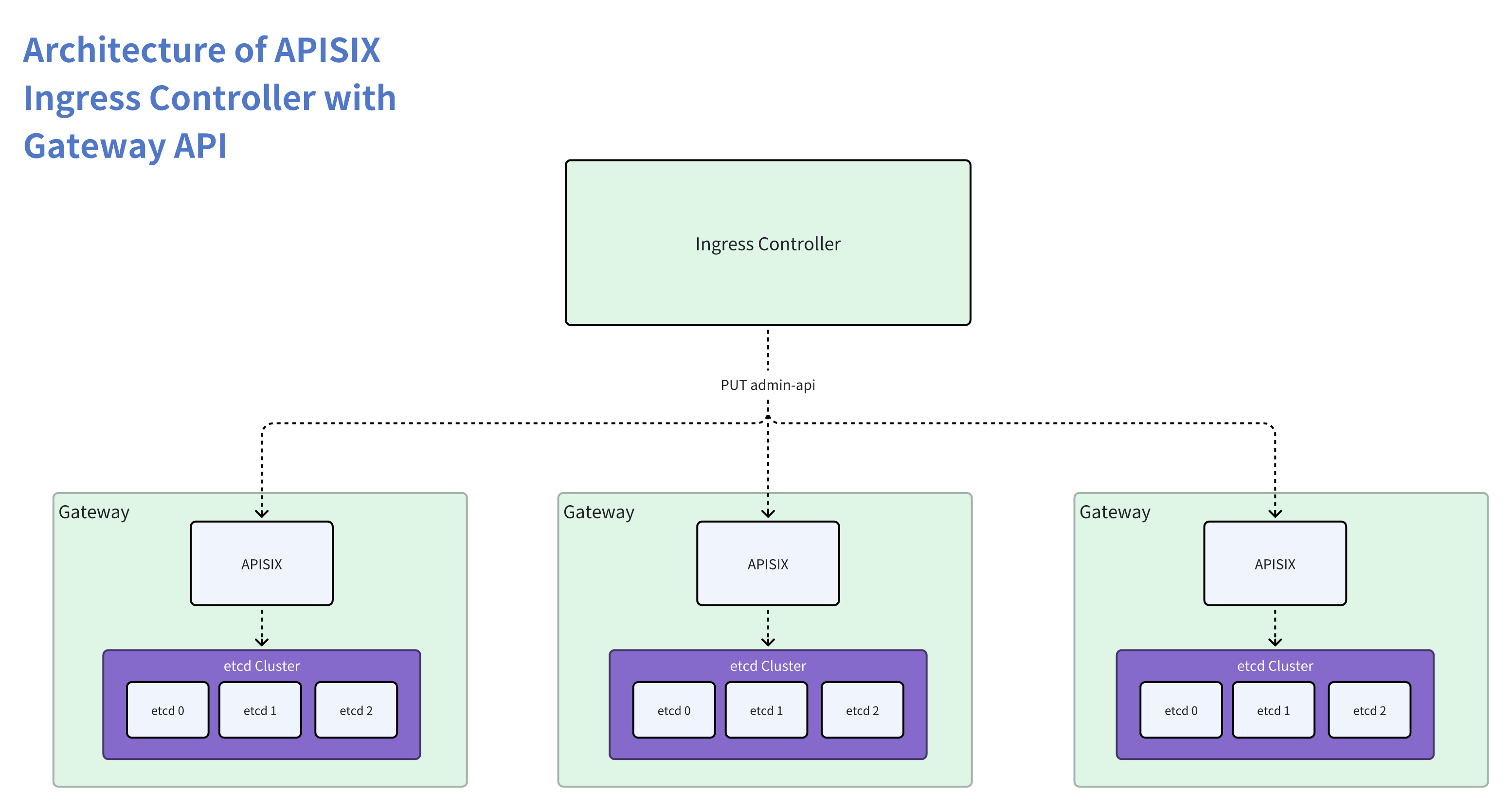
APISIX Ingress Controller is a Kubernetes Ingress Controller based on Apache
APISIX. It has the capability to convert Ingress/CRDs resources from Kubernetes
into routing rules for Apache APISIX, synchronizing them with the Apache APISIX
cluster. As a result, users can harness the robust functionalities of Apache
APISIX, including plugins, load balancing, health checks, and more, for the
management of inbound traffic in Kubernetes.
+For a current overview of Ingress, Gateway API, and controller selection, see
the [Kubernetes API gateway guide](/learning-center/kubernetes-api-gateway/).
This article continues with the architecture introduced in APISIX Ingress
Controller 1.7.0.
+
diff --git a/blog/en/blog/2024/02/13/apisix-owasp-coraza-core-ruleset.md
b/blog/en/blog/2024/02/13/apisix-owasp-coraza-core-ruleset.md
index b8f982445a8..57971b61019 100644
--- a/blog/en/blog/2024/02/13/apisix-owasp-coraza-core-ruleset.md
+++ b/blog/en/blog/2024/02/13/apisix-owasp-coraza-core-ruleset.md
@@ -37,6 +37,8 @@ For more details, please check the complete
[report](https://owasp.org/www-proje
Fixing a vulnerability depends on its exact nature. For example, fixing
_Vulnerable and Outdated Components_ is process-driven, requiring discipline in
managing versions and retiring older ones. Some, however, are technical and
only require proper configuration in the reverse proxy or API Gateway, _e.g._,
_Server Side Request Forgery_.
+A WAF addresses only part of the threat model. The [API gateway security
guide](/learning-center/api-gateway-security/) places request filtering
alongside authentication, authorization, rate limiting, mTLS, and service-level
controls.
+
## Nobody cares about security
Security is a touchy subject because hardening security doesn't bring any
value to the business. Career-driven managers won't care about security as they
won't be able to showcase they increased the company's profit by X% on their
next yearly evaluation. Unless the board considers security seriously, chances
are nobody will care. For this reason, most organizations implement
checkbox-based security, aka plausible deniability. If you're interested in
implementing security properly, I've w [...]
diff --git a/blog/en/blog/2025/02/21/why-reinvent-api-gateways.md
b/blog/en/blog/2025/02/21/why-reinvent-api-gateways.md
index 93f837827c7..ca827a90fc1 100644
--- a/blog/en/blog/2025/02/21/why-reinvent-api-gateways.md
+++ b/blog/en/blog/2025/02/21/why-reinvent-api-gateways.md
@@ -110,3 +110,5 @@ Our mission with APISIX was never just about building a
product—it was about r
With a thriving global community, rapid innovation, and enterprise adoption,
Apache APISIX is set to become the de facto API gateway for modern applications.
Whether you're a startup, enterprise, or open-source enthusiast, if you're
looking for a high-performance, cloud-native API gateway, we invite you to
explore APISIX.
+
+For a criteria-based evaluation of Apache APISIX, Kong, Envoy, and Traefik,
see the [open-source API gateway
comparison](/learning-center/open-source-api-gateway-comparison/).