At 2/6/2010 20:08, you wrote:

>Oh, forgot to mention.  If you turn your unit upside-down, you should see
>rubber plugs near the fed ends of each resonator.  You can fine-tweak the
>taps through these holes.  It's pretty easy to break a wire, so I wouldn't
>recommend you go in there and start twistin' and tweakin' with any
>significant amount of force.  Adjusting the distance of the tap wire (center
>conductor) from the resonator will have a small, but measurable, effect on
>insertion loss and return loss.
>
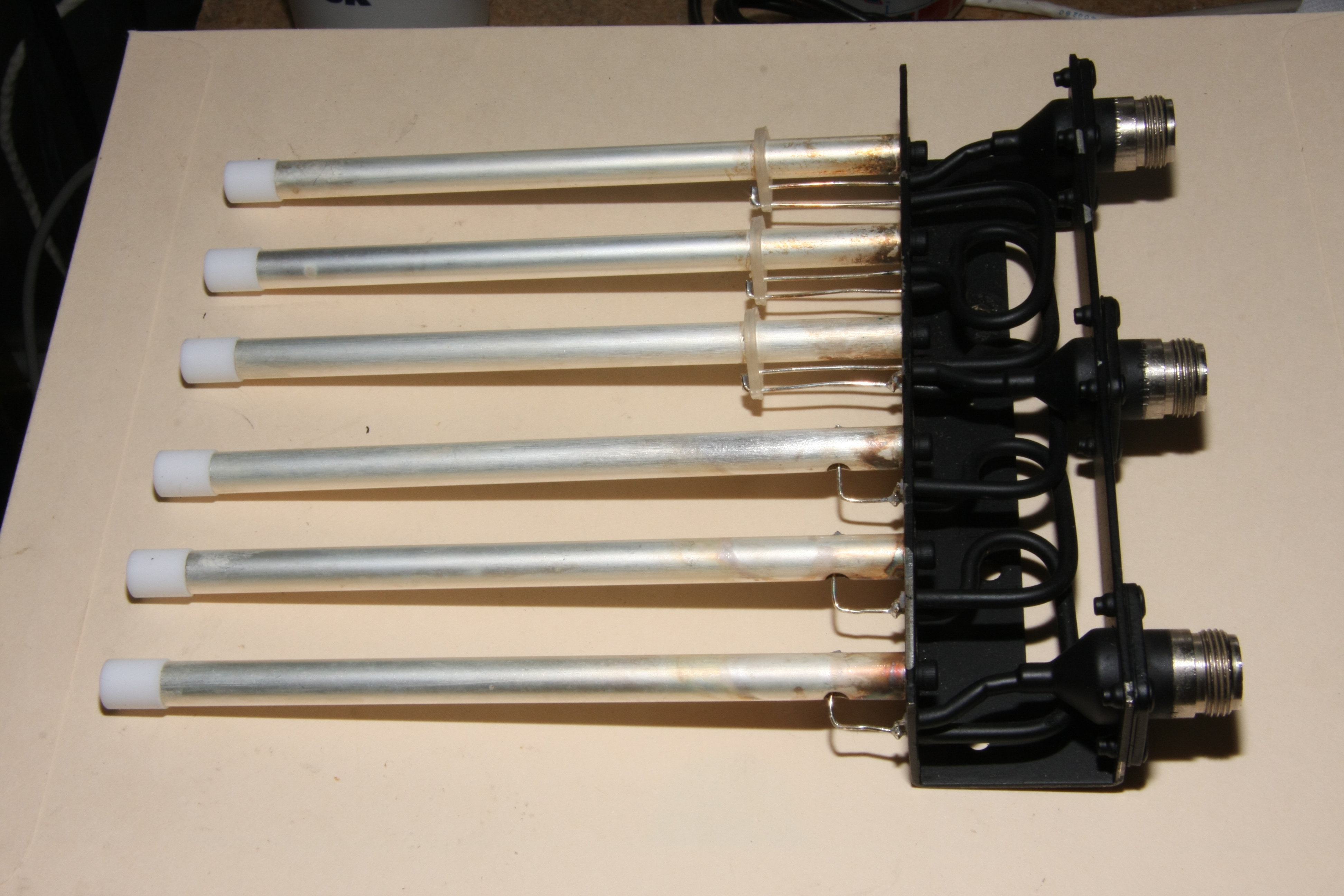
>3MB JPEG of a disassembled PD633:
>
>http://www.broadsci.com/foo/IMG_6010.jpg
Never completely disassembled one, so nice to see what's inside - thanks
for posting the nice pic.

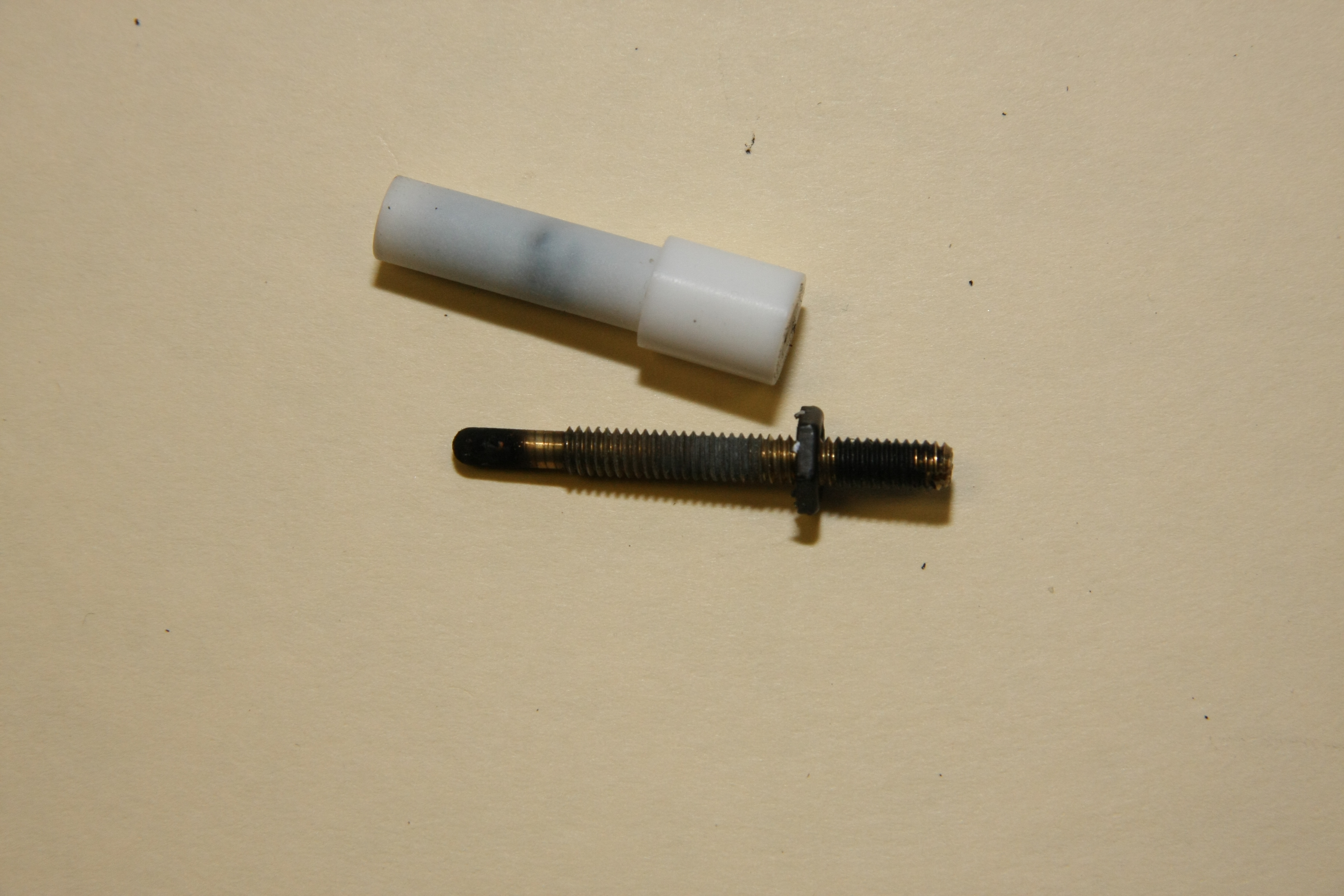
>3MB JPEG showing what happens when you mis-tune or over-power one of these
>duplexers (capacitive loading slug and teflon insulator fried) - they are
>NOT very forgiving:
>
>http://www.broadsci.com/foo/IMG_6031.jpg

Let me guess: this was removed from the resonator nearest to the TX
port.  I did this to one years ago, though the damage was not as
dramatic.  We were increasing the power beyond 50 watts & saw something
happen at about 80 watts, so we shut down & took it out of service
immediately.  The teflon insulator had arced through the longer thin
section & looked a lot like the one in your picture, maybe not quite as
much charring visible.  Fortunately the tuning slug was not damaged.  I
ended up cleaning out the insulator the best I could & swapping it with the
one in the TX resonator closest to the antenna port.

Most mobile duplexers are rated for 50 watts max. TX power.  That rating is
quite accurate.

Bob NO6B